
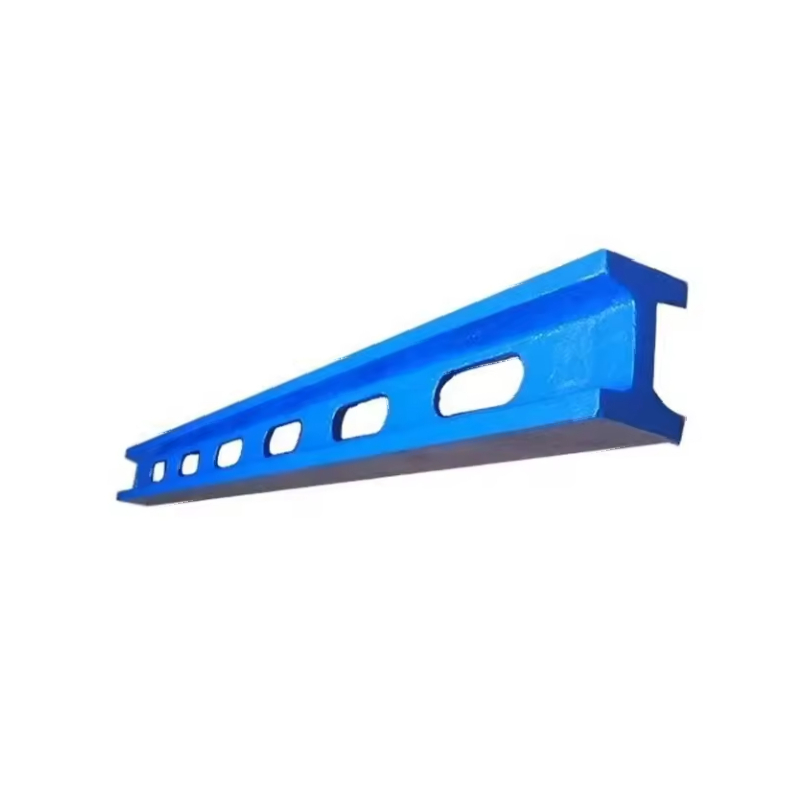
blue laminated glass
Understanding Small Hole Gauges An Essential Tool for Precision Measurement In the world of manufacturing and engineering, precision is paramount. One of the key tools that facilitate accurate measurement in tight spaces is the small hole gauge. Designed specifically for measuring small diameters and depths, small hole gauges are essential for ensuring quality control in various applications, from automotive parts to aerospace components. What is a Small Hole Gauge? A small hole gauge is a specialized measuring instrument used to assess the diameter of small holes and the depth of pockets or cavities. These gauges come in various designs, but typically, they consist of a tapered rod or a set of rods that can be inserted into the hole. The diameter is then measured either directly from the gauge itself or compared against a calibrated scale. The most common types of small hole gauges include plug gauges, taper gauges, and go/no-go gauges, each designed for specific measurement requirements. For instance, plug gauges are often used to determine whether a hole meets certain diameter specifications, while go/no-go gauges provide a quick means of checking for compliance within specific tolerances. Applications in Industry Small hole gauges find applications in numerous industries. In the automotive sector, they are used to measure the fuel injector holes and valve guides, ensuring that precision is maintained for optimal engine performance. In aerospace, where weight and strength are critical, these gauges help assess holes in airframes and engine components, where even the slightest deviation can lead to catastrophic failures. Moreover, small hole gauges are vital in the manufacturing of medical devices, where the design often incorporates intricate parts requiring precise hole measurements to ensure proper functioning. Even in electronics, small hole gauges are used to verify dimensions in circuit boards and connectors, underscoring their versatility across different sectors. small hole gauge How to Use Small Hole Gauges Using a small hole gauge is relatively straightforward, but it requires a steady hand and a keen eye. To measure a hole, the gauge is inserted into the opening, and the user feels for a snug fit. If the gauge fits too loosely, the hole may be oversized; if it fits too tightly, the hole may be undersized. Once a suitable gauge is found, users can often read the size directly marked on the gauge. For tapered gauges, the point at which resistance is felt quantifies the hole's diameter. After obtaining the measurements, documenting them accurately is crucial, particularly in regulated industries where compliance must be proven. Advantages of Small Hole Gauges One of the primary advantages of small hole gauges is their simplicity and efficiency. They allow for quick checks in a variety of environments, eliminating the need for complex electronic measuring tools in many cases. Lightweight and portable, small hole gauges can be easily transported to various work sites, making them excellent for fieldwork. Additionally, these gauges are typically more cost-effective compared to advanced digital measurement tools, making them accessible for small businesses and startups. Despite their low cost, they can provide high accuracy, particularly when used by skilled operators. Conclusion In conclusion, small hole gauges play a crucial role in ensuring the quality and precision of products across diverse industries. Their straightforward design, versatility, and effectiveness make them indispensable tools for engineers and manufacturers alike. As industries continue to push the boundaries of innovation, the importance of reliable measurement tools like small hole gauges cannot be overstated. Whether for routine checks or critical quality assessments, these gauges remain foundational in achieving precision in manufacturing processes.
about
blue laminated glass
Understanding Filter DN50 An In-Depth Overview In the world of fluid mechanics and engineering, filters play a crucial role in ensuring that systems operate efficiently and effectively. Among the various types of filters used across industries, the DN50 filter has garnered attention for its specific applications and benefits. In this article, we will dive deep into what a DN50 filter is, its specifications, applications, and both its advantages and limitations. What is a DN50 Filter? The term DN50 refers to the nominal diameter of the filter's inlet and outlet ports, specifically 50 millimeters. The DN stands for “Diameter Nominal,” a unit of measurement in the metric system that indicates the size of a pipe or a fitting. Filters are essential components designed to remove contaminants from fluids, be it water, oil, or gas. The DN50 filter is optimized for medium to high flow rates, making it suitable for various applications in industrial processes. Specifications of DN50 Filters Typically, a DN50 filter is constructed from high-quality materials that can withstand different temperatures and pressures. Common materials include stainless steel, plastic, and various alloys, depending on the specific application and environment. Here are some key specifications commonly associated with DN50 filters 1. Flow Rate DN50 filters can handle a substantial flow rate, generally ranging from 15 to 30 cubic meters per hour, though this can vary based on the design and make. 2. Filtration Rating The filtration rating can vary, typically from 50 microns to 300 microns, depending on the purpose of the filter. This rating indicates the size of particles that can be effectively removed from the fluid. 3. Pressure Rating The pressure rating is usually around 10 bar, allowing these filters to function efficiently under considerable pressure. 4. Connection Type Depending on the installation requirements, DN50 filters can come with various types of connections, such as flanged, threaded, or welded. Applications of DN50 Filters Given their robust characteristics, DN50 filters are widely used in diverse industries, including 1. Water Treatment Facilities DN50 filters play a pivotal role in municipal water treatment plants, helping to remove sediments and contaminants to ensure safe drinking water. 2. HVAC Systems These filters are integral to heating, ventilation, and air conditioning systems, enhancing air quality and system efficiency by filtering out dust, pollen, and other particulates. 3. Chemical Processing In chemical plants, DN50 filters are utilized to maintain product purity by removing impurities during production. filter dn50 4. Oil and Gas The oil and gas industry relies heavily on DN50 filters to ensure that pipelines remain clear of debris and contaminants, which can cause disruptions and increase maintenance costs. Advantages of DN50 Filters The use of DN50 filters comes with several notable advantages 1. High Efficiency DN50 filters are designed to operate at high flow rates, making them efficient for large-scale applications. 2. Durability Constructed from robust materials, these filters can withstand harsh conditions, ensuring a long operational life. 3. Easy Maintenance Many DN50 filters feature a user-friendly design that makes them easy to clean and maintain, reducing downtime and operational costs. 4. Versatility Their ability to be used in a multitude of applications makes DN50 filters a favored choice for engineers and facility managers alike. Limitations of DN50 Filters Despite their benefits, DN50 filters may have some limitations, including 1. Cost High-quality DN50 filters can be more expensive than smaller counterparts, which might be a concern for some budget-constrained projects. 2. Space Requirements The physical size of DN50 filters may pose a challenge in environments where space is limited. 3. Maintenance Needs While they are designed for easy maintenance, regular maintenance is still necessary to ensure optimal performance and longevity. Conclusion In conclusion, the DN50 filter is a robust and versatile component integral to a wide range of industrial applications. Understanding its specifications, benefits, and potential limitations can help engineers and facility managers make informed decisions tailored to their specific needs. As industries continue to evolve, the demand for efficient filtration solutions like DN50 filters will undoubtedly rise, underscoring the importance of this vital component in modern engineering.
-

High quality industrial productsagement

High quality industrial products
View Details -

Meet the diverse needs of customers

Meet the diverse needs of customers
View Details -

Strict quality control

Strict quality control
View Details -

Top raw materials

Top raw materials
View Details -

Trusted supplier

Trusted supplier
View Details
Our application
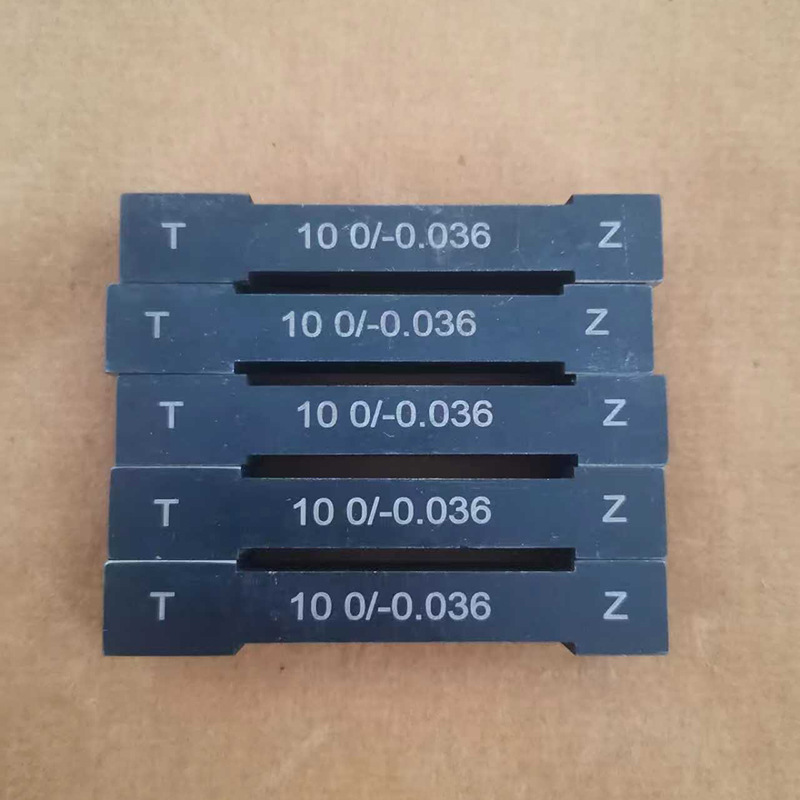


news and information
water valve key types
Understanding Water Valve Key Types Water valves are essential components in various plumbing system
v frames
The Evolution and Impact of V Frames in Modern Visual Media In the rapidly evolving landscape of vis
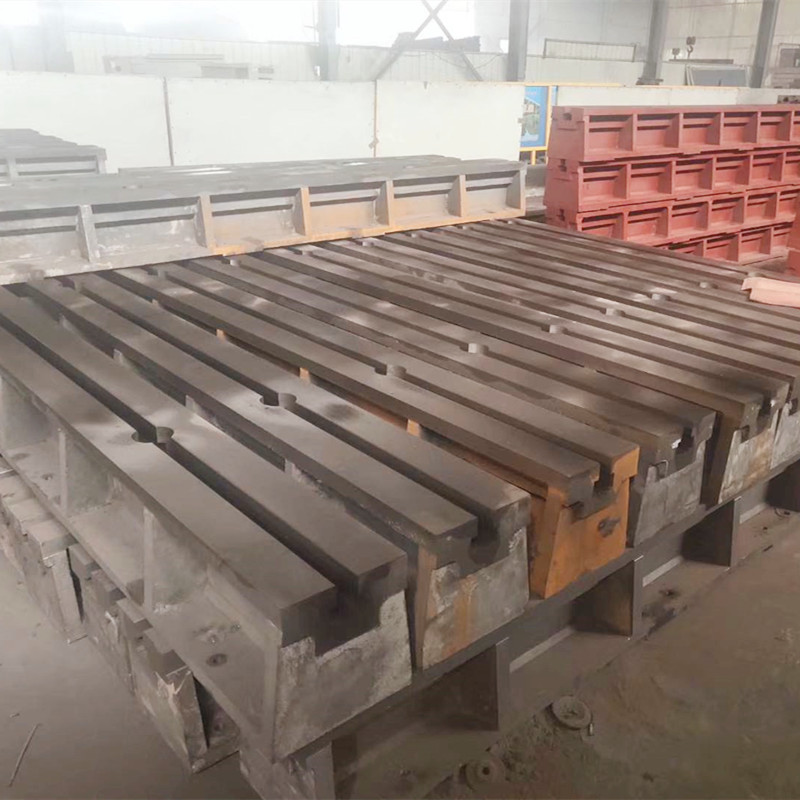
Versatile Welding Table for On-the-Go Fabrication and Efficient Workspace Solutions
The Versatility and Importance of Portable Welding Tables In the world of welding, precision and con
 English